Booncyfly: Elegant Handwritten Font
As a web designer, I always look for fonts that add personality without sacrificing readability. Booncyfly is one such typeface that brings a soft, flowing energy to digital projects. Its delicate strokes and balanced structure make it ideal for creative websites, branding, and design-focused layouts.
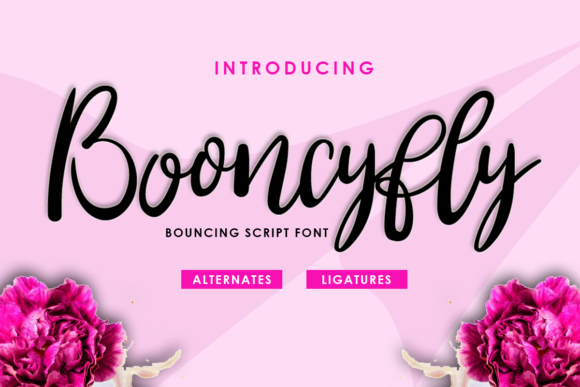
Booncyfly belongs to the Script Amp category of fonts, offering a handwritten aesthetic with a modern twist. The font’s varying baseline adds a natural, organic feel, making it perfect for headers, logos, and decorative elements. It’s not just about style—it’s about how it integrates into the overall visual rhythm of a site.
Booncyfly in Web Design
When used in website headers or hero sections, Booncyfly draws attention without overwhelming the layout. Its flowing nature works well for brand names, taglines, and call-to-action buttons. For example, on a creative portfolio site, using Booncyfly as the main heading can instantly communicate an artistic, personal touch.
On landing pages, Booncyfly can be paired with a clean sans serif font for body copy. This contrast helps maintain visual hierarchy while keeping the design cohesive. A boutique online store might use Booncyfly for product titles or banners, adding a sense of elegance and uniqueness to the shopping experience.
Visual Hierarchy and Brand Tone
Booncyfly’s character set is well-balanced, ensuring it remains legible even at smaller sizes. This makes it suitable for short phrases, such as button labels or section headings. However, it’s best reserved for display purposes rather than long paragraphs of text.
The font’s personality leans toward creativity and warmth. It’s ideal for brands that want to convey authenticity, craftsmanship, or a personal connection. A coaching website or a wellness blog could benefit from Booncyfly in headers or social media graphics, reinforcing a friendly and approachable tone.
Readability and Responsive Design
On mobile screens, Booncyfly maintains clarity when used in larger sizes. For small buttons or icons, it’s better to keep the text minimal to avoid clutter. When placed over dark backgrounds or image overlays, ensure there’s enough contrast to maintain legibility.
For responsive layouts, consider using Booncyfly in combination with a simpler font for body content. This keeps the design balanced and ensures the font doesn’t interfere with user scanning behavior. Testing the font across different screen sizes and resolutions is essential for optimal performance.
Font Pairing and Design Applications
Pairing Booncyfly with a modern sans serif like Roboto or Open Sans creates a clean, professional look. This combination is great for SaaS landing pages, course sales pages, or digital product websites. Alternatively, pairing it with a serif font like Georgia or Playfair Display can give a more editorial feel, suitable for blogs or content-driven sites.
In a digital brand kit, Booncyfly can serve as a signature element. It works well for logo design, social media banners, and email newsletters. For a course page, using Booncyfly in the title and key features can help guide the user’s eye and create a memorable visual identity.
Commercial Use and Licensing
When using Booncyfly for commercial projects, always check the licensing terms. Most premium fonts allow use on websites, client projects, and online stores, but specific restrictions may apply. Ensure the license covers all intended uses, especially if you’re creating templates or selling digital assets.
Booncyfly’s file formats and available styles should be considered for web integration. Webfont support is crucial for seamless performance across browsers and devices. If the font includes alternates or multilingual support, that adds flexibility for international audiences or specialized design needs.
Booncyfly in Action
Imagine a digital product launch where Booncyfly is used in the headline and supporting text. The font’s flow complements the sleek design of the interface, reinforcing a sense of sophistication. On a blog header, it adds a personal touch that stands out against standard typography.
For a creative portfolio, Booncyfly can be used in project titles or artist names, giving each section a unique identity. In a coaching website, it can highlight key services or testimonials, making the content more engaging and visually appealing.
Whether you’re designing a landing page, an online store, or a brand identity, Booncyfly offers a versatile and expressive option. Its balance of elegance and functionality makes it a valuable addition to any designer’s toolkit.